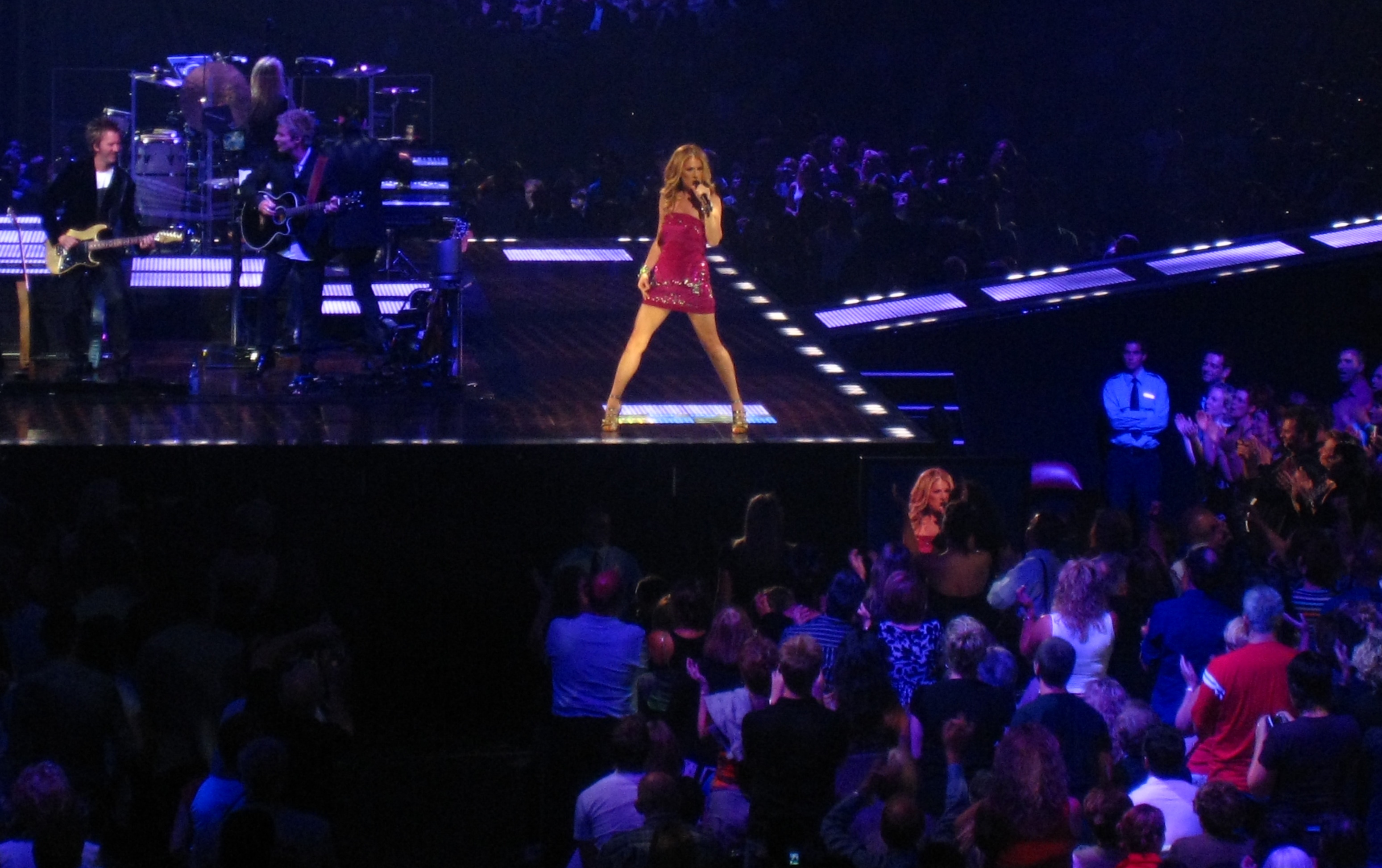
Anirudh Koul · CC BY 2.0
Why K-pop Fandom Now Starts in the Comments Section
A look at how short-form lyric breakdowns and fan-made translation clips have become the real front door to K-pop, and what that shift means for new listeners picking a group to follow.
For most of the last decade, the standard path into K-pop ran through the music video. A fan saw a teaser, watched the full video on repeat, then went looking for the group's variety appearances. That path still exists, but it is no longer the main one. Increasingly, the entry point is a forty-second clip on a short-form platform: a lyric breakdown, a choreography comparison, or a fan-made translation that adds context the official release never provided. The song becomes the destination rather than the starting line.
The clearest driver is language. K-pop releases are built around Korean lyrics with frequent English hooks, and a growing share of the global audience does not speak Korean. Rather than wait for an official translation, fan translators now publish line-by-line breakdowns within hours, often annotating wordplay, honorifics, and cultural references that a subtitle would flatten. These breakdowns function as a compressed language lesson attached to a song, and they are frequently the most-shared piece of content around a comeback.
Two concrete examples show how this works in practice. First, the rise of the "color-coded lyric video," in which each member's lines are assigned a consistent colour so viewers can follow who sings what without knowing a single name. These videos have become a standard part of comeback week, produced by fans rather than labels, and they routinely outpace official content in early views. Second, the reaction-and-explanation format, where a bilingual creator pauses a new release to unpack a single line or a gesture before moving on. It converts a passive listen into an active one, and it gives newcomers a reason to subscribe rather than simply stream.
Choreography has followed the same logic. Dance practice videos were once supplementary. Now, side-by-side comparisons that place a group's stage performance next to a fan cover, or next to the original demo choreography, circulate as standalone content. These comparisons teach viewers what to look for: the timing of a formation change, the difference between a sharp and a smooth isolation, the moment a member takes the centre. Once a viewer can name what they are seeing, they tend to watch the official performance again with more attention.
Why is this happening now rather than earlier? Three conditions have converged. Short-form platforms reward dense, self-contained clips over long-form broadcasts. Machine translation has improved enough that a rough version appears almost instantly, which raises the value of the human translation that corrects it. And the sheer volume of releases, with multiple comebacks landing in the same week, has made curation a genuine service. Fans are not just consuming anymore; they are editing, annotating, and sequencing the scene for everyone else.
For groups, this shifts where attention is earned. A strong hook still matters, but so does a moment that rewards a second look, a lyric that survives translation, a formation change that reads clearly on a small screen. Labels have noticed: more teasers now arrive as short clips designed to be paused and explained, and more official channels post lyric content early rather than late.
For fans, the practical takeaway is that you no longer need to start with the biggest name. Start with a breakdown that interests you, follow the translator or editor whose taste you trust, and let the group follow from there. The comment section, once an afterthought, is now where the scene teaches itself.