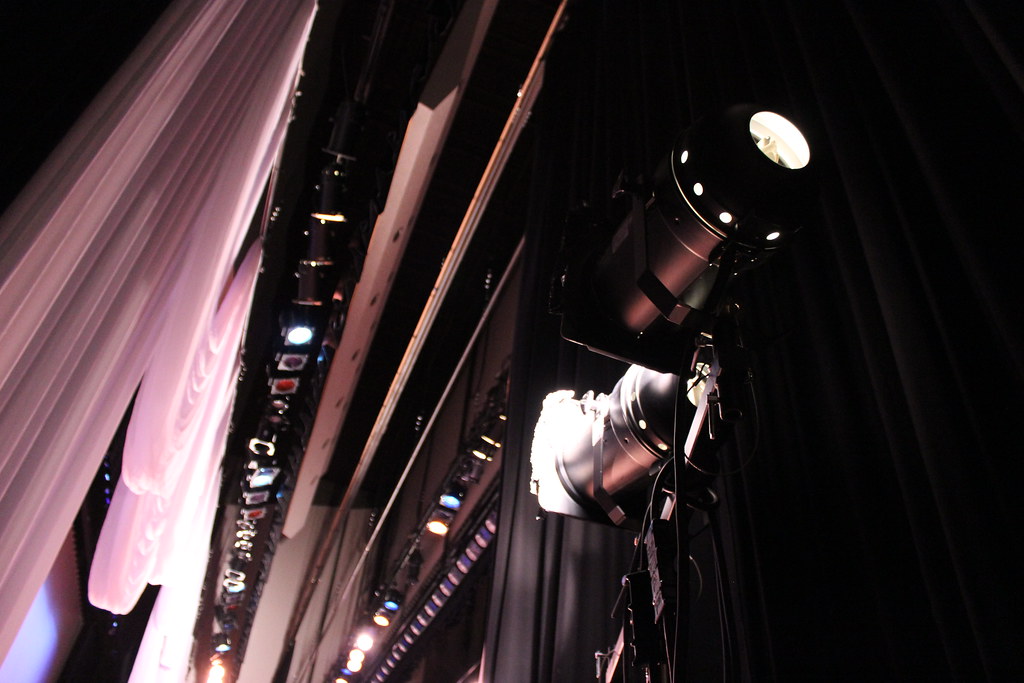
zaimoku_woodpile · CC BY 2.0
Why K-Pop Concerts Now Sell Out on Sound Alone
A look at how in-person live sound has become K-pop's most fought-over concert ticket, and why fans now rate a show by audio first.
For most of the last decade, the loudest conversation around a K-pop tour was about staging: the LED walls, the confetti cannons, the costume changes. This cycle, the conversation has quietly shifted to something you cannot photograph. Fans who queue overnight for general admission are increasingly comparing notes on mix quality, not set design. The reason is simple: the scale of the shows has outgrown the venues built to hold them.
Stadium runs that once capped at two or three nights now stretch to double digits in a single city, and the same production has to work in a 15,000-seat arena one week and a 60,000-capacity open field the next. Big rooms are acoustically unforgiving. Sound bounces off curved roofs, bass piles up in corners, and a vocal line that sits perfectly in a studio mix can smear into an indistinct wall of low end. When a group plays ten nights in one city, thousands of ticket buyers hear the same show twice and compare. Word travels fast, and the shows that get praised are the ones where you can pick out individual members' voices from the back row.
The clearest evidence is the rise of the dedicated audio crew. Major touring acts now travel with their own front-of-house engineers, monitor engineers and systems techs as fixed members of the production team, not local hires picked up in each city. That is expensive and logistically painful, but it produces a consistent sound from Seoul to Sao Paulo. Some productions have gone further, delaying the start of a tour so a venue's speaker rig can be rebuilt and re-tuned before the first rehearsal, rather than squeezed into whatever configuration the building already had.
Two concrete shifts show how this plays out. First, in-ear monitor mixes have become a fan-facing product. Several groups now release an official 'live mix' version of a concert recording, with the crowd pulled back and the vocal line pushed forward, so the audio matches what a well-placed seat actually heard rather than what a broadcast camera picked up. Second, fan projects have turned acoustic. Instead of banner events timed to a ballad, some fanbases now coordinate silent stretches, asking everyone to stop chanting for one song so the hall's natural reverb carries the vocal. It is a small thing, but it changes how a show feels in the room.
There is a practical reason this matters beyond bragging rights. Ticket prices have climbed, and fans who pay premium rates for a floor seat expect to hear the performance, not just see it. When a show sounds bad, the disappointment does not fade the way a disappointing stage prop does. It follows the tour. That is why groups now treat a venue's audio reputation as a booking factor, the same way they treat sightlines and travel distance.
Streaming trained a generation of listeners to notice production detail. They know what a well-mixed chorus sounds like through their own headphones. A live show that muddies that same chorus feels like a downgrade, and they say so online within hours. The artists and crews have responded by treating the room itself as an instrument to be tuned, not a container to be filled.
For fans, the takeaway is useful and slightly empowering. If you are choosing between nights on a long residency, ask which seats previous attendees rated for clarity, not just proximity. Bring earplugs designed for concerts, which cut volume without smearing detail. And when a show genuinely sounds great, say so as loudly as you would praise the staging. In an era of ten-night runs, audience feedback now shapes what the next city hears.