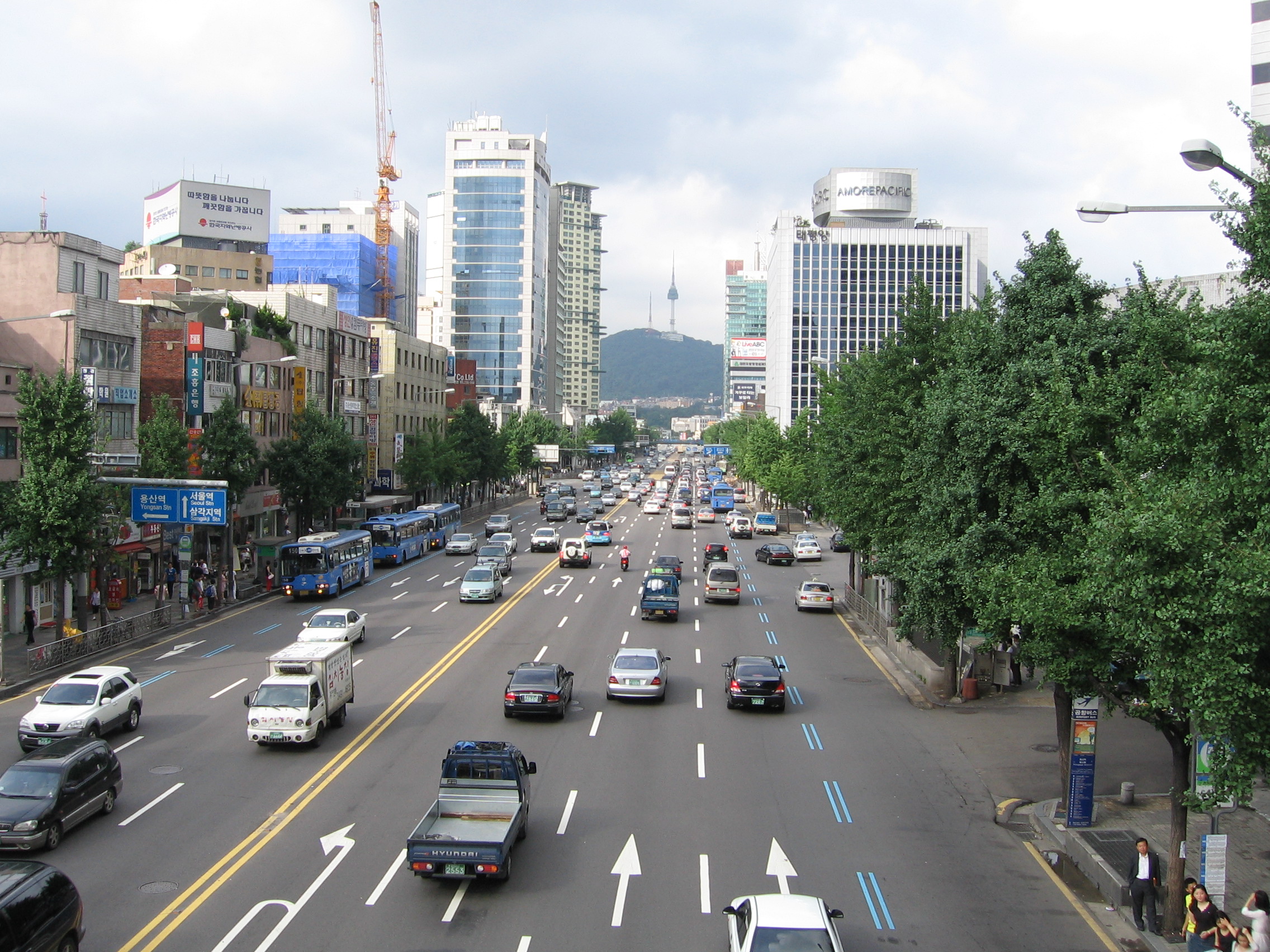
IGEL · CC BY-SA 3.0
The Quiet Power of Slow-Burn K-Dramas in 2026
Discover why slow-burn storytelling has become a defining trend in K-dramas, with examples like 'When the Weather Is Fine' and 'My Liberation Notes', and what it means for fans seeking depth over speed.
In an era of TikTok-speed storytelling and binge-ready cliffhangers, K-dramas are increasingly bucking the trend with a seductive counter-movement: the slow burn. These are series that refuse to rush, letting relationships simmer, secrets unfurl at their own pace, and emotions ripple across episodes like stones skipped on a calm lake. For fans, this isn't just a stylistic choice—it's a deepening of the genre's emotional vocabulary, a deliberate pivot from instant gratification to earned catharsis.
What makes the slow burn so potent right now? Partly, it's a response to viewer fatigue with high-octane plots that sacrifice character depth for shock value. But it's also a natural evolution of the Hallyu wave: as K-dramas reach global audiences, writers are experimenting with narrative textures that feel novel abroad yet resonate with a Korean cinematic tradition of unhurried, observational storytelling. Streaming platforms, with their lack of commercial breaks and flexible episode lengths, have provided creative freedom to let stories breathe—something traditional broadcast schedules rarely allowed.
Consider two standout examples from recent years that have become touchstones for this trend. "When the Weather Is Fine" (2020) unfolds in a small mountain village, where a cellist returns to her hometown and reconnects with a bookshop owner. The drama eschews frenetic plots for gentle rituals: reading by a fireplace, sharing meals, and walking through snowy streets. Its romance builds through quiet glances and unspoken understanding, rewarding patient viewers with a warmth that lingers. Similarly, "My Liberation Notes" (2022) follows three siblings and a mysterious outsider in a commuter town, each grappling with existential restlessness. The series dedicates entire episodes to internal monologues and mundane routines, yet it became a sleeper hit, igniting passionate discussions about life's small liberations.
These dramas share a DNA: they prioritize interiority over external conflict, and their climaxes are often emotional epiphanies rather than dramatic confrontations. They also employ naturalistic dialogue—laden with subtext and pauses—that requires active listening. For international fans, this can be a refreshing change from showy plot twists, offering a more meditative viewing experience that aligns with the global rise of "slow TV" and mindful entertainment.
Why now? Beyond streaming's influence, there's a cultural zeitgeist shift. Post-pandemic audiences have shown an appetite for content that mirrors contemplative living, and K-dramas have always excelled at capturing nuanced human connection. Creators are leaning into this, crafting stories that feel like literary fiction—where the journey matters more than the destination. This trend also complements the popularity of healing dramas like "Hospital Playlist," which, while far from slow-burn, shares that warmth and character-first ethos.
For fans, the slow burn asks for a different kind of engagement. It invites you to savor, to rewatch, and to find meaning in moments that initially seem mundane—a shared umbrella, a half-finished sentence, a cup of coffee gone cold. The payoff is a deep sense of intimacy with characters, as if you've lived alongside them for weeks, not hours. But it also requires patience; those accustomed to fast-paced plots may need to recalibrate their expectations.
What does this mean for the future? As K-dramas continue to diversify, we're likely to see more hybrids—series that blend slow-burn depth with genre hooks like mystery or sci-fi, proving that introspection and narrative momentum aren't mutually exclusive. The success of these dramas signals that viewers, now more than ever, crave stories that respect their emotional intelligence. Whether you're a seasoned fan or new to the scene, the slow burn offers a rewarding way to experience Korean storytelling: not as a race, but as a pilgrimage.
So next time you pick a new K-drama, consider letting it unfold at its own rhythm. You might find that the quietest moments linger the longest. The slow burn isn't just a trend—it's a testament to the power of patience in a world that rarely waits.